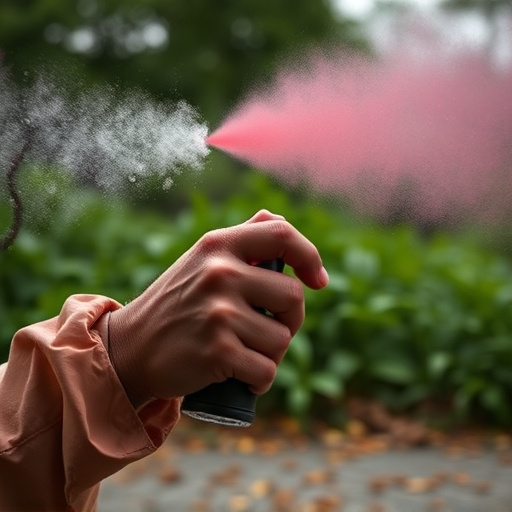
In case of pepper spray exposure, immediate first aid is crucial. Move to a safe area, remove contaminated clothing, rinse affected areas with clean water for 15 minutes, and apply cool compresses for eye contact. Seek medical attention if symptoms persist. Document the incident and be aware of local laws regarding pepper spray usage and aftercare practices for swift recovery.
“Discover the power of pepper spray as a self-defense mechanism and explore its impact on personal safety. This comprehensive guide delves into the science behind pepper spray deterrents, providing insights into how they work as immediate response tools during potentially dangerous encounters. Learn essential first aid measures for effective aftercare, including long-term recovery strategies. Additionally, we’ll navigate legal considerations surrounding self-defense rights and offer crucial advice on managing pepper spray exposure.”
- Understanding Pepper Spray: How It Works as a Deterrent
- Immediate Response: What to Do After Being Exposed to Pepper Spray
- First Aid Measures for Pepper Spray Contact
- Long-Term Care and Recovery from Pepper Spray Exposure
- Legal Considerations and Self-Defense Rights with Pepper Spray
Understanding Pepper Spray: How It Works as a Deterrent
Pepper spray, a powerful deterrent, uses capsaicin, the active ingredient found in chili peppers, to disrupt an assailant’s vision and breathing. When deployed, it creates a temporary but intense irritation, allowing the user time to escape or defend themselves. The effects of pepper spray can last for several minutes, providing a crucial window of opportunity for victims to seek safety.
Understanding how pepper spray works is essential in knowing its aftercare first aid. After use, immediate washing of eyes and skin with plenty of water is vital. This helps flush out the capsaicin, alleviating discomfort and preventing prolonged irritation. It’s important to seek medical attention if any severe symptoms persist or occur, as proper Pepper Spray First Aid can ensure swift recovery and minimize potential long-term effects.
Immediate Response: What to Do After Being Exposed to Pepper Spray
If exposed to pepper spray, an immediate and effective response is crucial for minimizing its impact. The first step is to get to a safe location away from the source of the spray as quickly as possible. This could be a nearby building or area where you can stand still and assess your situation. Do not attempt to run, as this can exacerbate the effects of the spray. Once in a safe space, remove any clothing or items that have come into contact with the pepper spray, including shoes and outerwear. Rinse these items with plenty of clean water to help dilute the irritants.
For first aid, thoroughly wash your face, eyes, and skin with cold water for at least 15 minutes. This will help flush out any residual spray and alleviate discomfort. If the pepper spray has affected your respiratory system, seek fresh air immediately. If symptoms persist or breathing becomes difficult, call emergency services. It’s also advisable to document the incident, noting the time, location, and any details that can help identify the source of the spray for future reference and legal purposes. Remember, prompt aftercare and first aid are essential in managing the effects of pepper spray exposure.
First Aid Measures for Pepper Spray Contact
In the event of pepper spray exposure, prompt first aid measures are crucial for minimizing discomfort and potential long-term effects. The first step is to immediately move to a safe, well-ventilated area to prevent further inhalation of the irritant. Remove any contaminated clothing or accessories, being careful not to rub the eyes or face, as this can worsen irritation. Rinsing the affected areas with plenty of clean water for at least 15 minutes is essential, ensuring that the spray residue is thoroughly washed away.
For eye contact, in addition to thorough watering, applying a cool compress and seeking medical attention is recommended. If inhaled, move to fresh air immediately, rest, and keep warm. In cases of skin contact, wash the area gently with soap and water, then apply a soothing cream or aloe vera gel. It’s important to remember that pepper spray aftercare includes monitoring symptoms for several days and consulting a healthcare professional if any persistent irritation, difficulty breathing, or visual disturbances occur.
Long-Term Care and Recovery from Pepper Spray Exposure
After exposure to pepper spray, proper first aid and aftercare are crucial for a full recovery. The eyes, skin, and respiratory system are particularly vulnerable to its effects, which can last from 15 minutes to an hour or more. In the immediate aftermath, it’s essential to seek fresh air by moving to a well-ventilated area. If pepper spray comes into contact with the eyes, flush them thoroughly with clean water for at least 15 minutes to dilute and wash away the irritants.
For skin exposure, remove any contaminated clothing and rinse the affected areas with water. Applying a cold compress can help reduce pain and swelling. In case of inhalation, move the individual to an area with clean air and encourage them to breathe slowly. If symptoms persist or severe reactions occur, immediate medical attention is necessary. Proper first aid after pepper spray exposure facilitates quicker recovery and minimizes long-term effects, ensuring individuals can return to their normal activities more promptly.
Legal Considerations and Self-Defense Rights with Pepper Spray
The legality of carrying and using pepper spray as a self-defense mechanism varies across jurisdictions, so it’s crucial to understand the local laws before purchasing one. Many countries and states allow citizens to carry pepper spray for personal protection, but strict regulations regarding age limits, quantity, and permissible uses exist. In some regions, pepper spray is only legal for law enforcement and security personnel, while others permit its use by civilians under specific conditions.
Knowing your rights and responsibilities is essential when considering pepper spray as a self-defense tool. If you choose to carry pepper spray, be prepared to follow strict guidelines on storage, labeling, and disposal. In case of usage, proper aftercare first aid should be administered to the affected individual, including immediate washing of the eyes, skin, and clothing with water to minimize the impact of the spray. This quick action can significantly reduce discomfort and potential long-term effects.
In conclusion, pepper spray can be an effective deterrent, but proper understanding and aftercare are crucial. Knowing how it works, responding immediately, and administering first aid are key steps in mitigating its effects. Long-term care is essential for full recovery, and legal considerations should be kept in mind when using pepper spray as a self-defense mechanism. Implementing these measures ensures not only physical safety but also provides peace of mind in potentially threatening situations. Remember, proper training and responsible use are paramount when considering any self-defense tool, including pepper spray.