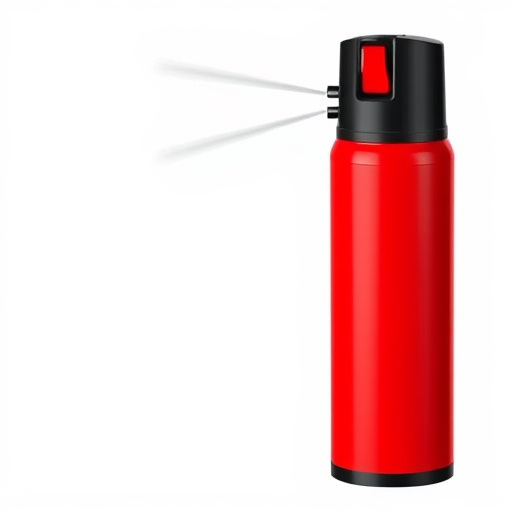
Exposure to civilian-grade pepper spray requires immediate first aid, including flushing eyes with water for 15-20 minutes, seeking fresh air for respiratory distress, and gently washing affected skin. Proper aftercare involves applying soothing creams or gels, staying hydrated, and considering over-the-counter antihistamines or decongestants. Follow manufacturer instructions, store pepper spray safely, and consult healthcare professionals for severe reactions to ensure effective self-defense while minimizing risks and aftercare requirements.
“Uncover the power of civilian-grade pepper defense spray, a non-lethal self-defense tool gaining popularity. This comprehensive guide explores its impact, offering insights into understanding and navigating its effects. From immediate first aid for exposure to long-term recovery strategies, we delve into effective precautions and safe usage tips. Learn how to prepare, respond, and recover from pepper spray incidents, ensuring you’re equipped with vital knowledge for personal safety and aftercare. Discover the key steps in managing pepper spray exposure and gain a deeper understanding of its implications.”
- Understanding Pepper Spray and Its Effects
- Immediate First Aid for Pepper Spray Exposure
- Long-Term Aftercare and Recovery Strategies
- Precautions and Tips for Safe Usage
Understanding Pepper Spray and Its Effects
Pepper spray, a civilian defense tool designed to disable an assailant temporarily, is a powerful substance that can have significant effects on the human body. When deployed, it creates a burning sensation and causes the target’s eyes to water, making it difficult to see or breathe. This incapacitation allows users to escape dangerous situations. Understanding the mechanics of pepper spray is crucial to knowing its potential aftercare requirements.
The effects of pepper spray can last from 30 minutes to an hour, varying based on factors like the concentration and application method. After exposure, proper first aid becomes essential. This includes immediate washing of the affected area with plenty of water, especially for eyes and skin. Medical professionals may also recommend taking an over-the-counter antihistamine or pain reliever to manage discomfort. Pepper spray aftercare involves a proactive approach to ensure any residual effects are minimized, promoting faster recovery and reduced discomfort post-exposure.
Immediate First Aid for Pepper Spray Exposure
In the event of exposure to civilian-grade pepper spray, immediate first aid is crucial for mitigating discomfort and speeding up recovery. If someone comes into contact with pepper spray, remove any contaminated clothing or accessories promptly. Rinse the affected area thoroughly with plenty of clean water, ensuring that no residual spray remains. This step helps to dilute and wash away the pepper spray chemicals.
For eye exposure, follow the same water rinse procedure and consider using a clean cloth or eye wash solution if available. Inhalation of pepper spray can cause respiratory distress; in such cases, move the affected individual to an area with fresh air immediately. If breathing is difficult, administer oxygen if trained to do so, or encourage slow, deep breaths. Aftercare involves applying a soothing cream or gel to the skin to reduce irritation and itching, and drinking plenty of water to stay hydrated.
Long-Term Aftercare and Recovery Strategies
After using civilian-grade pepper defense spray, proper aftercare and first aid strategies are essential for long-term recovery. The initial symptoms of pepper spray exposure include eye irritation, coughing, difficulty breathing, and skin redness or burning sensations. These symptoms typically peak within minutes of exposure and can last for several hours.
To aid in recovery, it’s crucial to immediately flush exposed eyes with clean water for at least 15-20 minutes. This helps to dilute the pepper spray chemicals. For respiratory distress, seek fresh air promptly. If skin is affected, gently wash the area with mild soap and water to remove any residual spray. Applying a cold compress can provide relief from pain and irritation. Over-the-counter antihistamines and decongestants may help alleviate lingering symptoms, but it’s advisable to consult a healthcare professional for severe or prolonged reactions.
Precautions and Tips for Safe Usage
When using civilian-grade pepper defense spray, it’s paramount to prioritize safety and efficacy. Always read and understand the manufacturer’s instructions before deployment. Pepper spray can cause severe irritation, so ensure adequate ventilation during use; ideally, employ it outdoors or in a well-ventilated area. Keep a safe distance from individuals, especially children, pets, and those with respiratory conditions. Avoid aiming towards the eyes, as this can lead to prolonged blindness. In case of accidental exposure, immediate aftercare is crucial. Wash the affected area thoroughly with soap and water, focusing on the eyes, face, and any skin that came into contact with the spray. Seek first aid if irritation persists or intensifies, and consult medical professionals for guidance on pepper spray aftercare.
Proper storage is another critical aspect of safe pepper spray usage. Store it in a cool, dry place, out of reach of children and pets. Never leave it unsecured, as it could be accessed by unintended users. Regularly inspect the spray for any signs of damage or degradation, ensuring its functionality at all times. Remember that pepper spray is designed to disable an assailant temporarily; it should be used as a last resort for self-defense. Understanding these precautions and tips for safe usage will help ensure the effectiveness of your defense mechanism while minimizing risks associated with pepper spray.
Pepper spray can be a powerful tool for self-defense, but it’s crucial to understand its effects and proper usage. By implementing the first aid techniques discussed for immediate exposure, along with long-term aftercare strategies, you can minimize discomfort and ensure full recovery. Remember to always use civilian-grade pepper spray responsibly, following safety precautions to protect yourself and others. With the right knowledge and care, you’ll be better equipped to handle any pepper spray exposure while enjoying increased personal security.